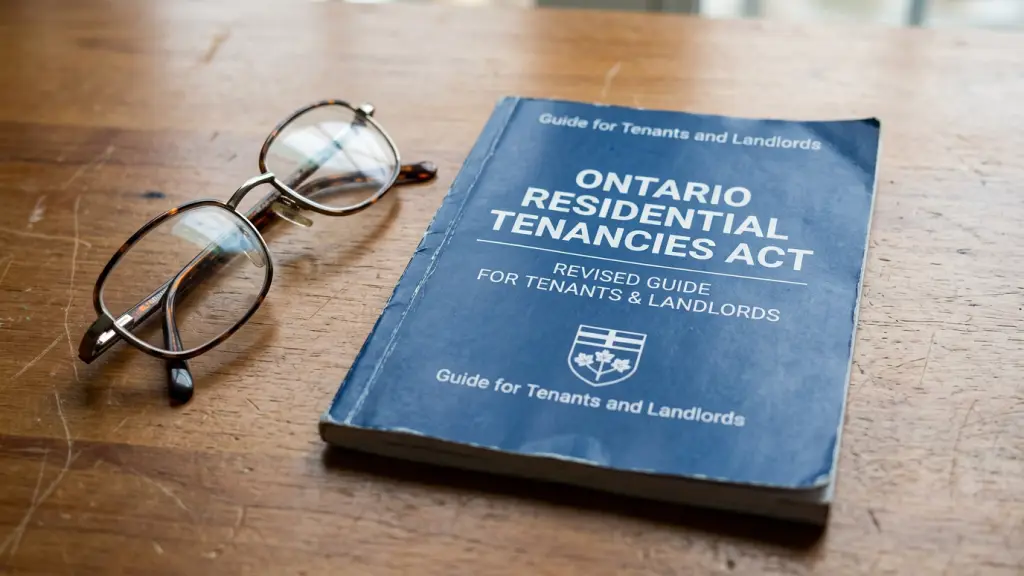
Tenant Rights in Ontario: What Every Renter Should Know
As a tenant in Ontario, you have significant legal protections under the Residential Tenancies Act (RTA). Understanding your rights helps you navigate your tenancy confidently and know when something isn't right. This guide explains the key rights every Ontario tenant should know.
"Every tenant in Ontario has the right to reasonable enjoyment of their rental unit without interference, harassment, or unlawful entry by their landlord."
Your Essential Protections
Ontario's Residential Tenancies Act protects tenants with six fundamental rights. Understanding these protections empowers you to stand up for yourself.
Right to Quiet Enjoyment
Live without interference from your landlord. No harassment, unauthorized entry, or disruption to your reasonable use of the unit.
Right to Privacy
Landlords must provide 24 hours written notice before entering (8am-8pm only). Emergencies are the exception.
Right to Maintenance
Your landlord must keep the unit in good repair, maintain heat, water, and electrical systems, and ensure health and safety standards.
Eviction Protection
Only legal reasons allow eviction. Landlords must follow proper notice and LTB process. No lockouts or forced exit.
Rent Control Protection
Only one increase per 12 months, limited to the annual guideline (2024: 2.5%), with 90 days written notice required.
Protection from Illegal Charges
No security, damage, or pet deposits allowed. Only first month, last month, and key deposits (actual cost) are legal.
Illegal vs. Legal Deposits & Charges
Landlords often try to collect charges that violate tenant protection laws. Here's what you need to know:
| Type of Charge | Legal? | What to Do |
|---|---|---|
| Security Deposit | No | Refuse to pay. If already paid, request refund or file with LTB. |
| Damage Deposit | No | Refuse to pay. Landlord cannot charge upfront for potential damage. |
| Pet Deposit | No | Refuse to pay. Landlords cannot charge for pets in Ontario. |
| Cleaning Deposit | No | Refuse to pay. Landlord must maintain property, not charge for cleaning. |
| First Month's Rent | Yes | This is standard and required at lease signing. |
| Last Month's Rent | Yes | Legal deposit held by landlord, applied to final month. |
| Key Deposit | Yes (Limited) | Only actual replacement cost of keys, not arbitrary amount. |
| Application Fee | Varies | May be allowed for actual screening costs (not all situations). |
| Administrative/NSF Fees | No | Landlord cannot charge. NSF must equal actual bank charge only. |
| Move-In/Move-Out Fees | No | Refuse to pay. These are landlord's responsibility. |
Entry Notice Requirements & Your Rights
The 24-Hour Rule
Landlords must provide 24 hours written notice before entering your unit. Notice must include:
- Specific date and time
- Reason for entry
- Contact information
Hours of Entry
Entry is only permitted between 8am and 8pm. Outside these hours requires your consent.
Valid Reasons for Entry
- Repairs or maintenance
- Inspections
- Showing to prospective tenants/buyers
- Agreed cleaning
When Notice Isn't Required
- Emergencies: Fire, flood, or immediate danger
- Your consent: You can agree at the time of entry
Illegal Entry
Document any unauthorized entry with date, time, and details. Communicate your concern in writing and file with LTB if it continues.

How to Protect Your Rights
- Keep copies of all notices, letters, and communications
- Always communicate with landlord in writing (email creates a record)
- Take photos and videos to document maintenance issues
- Note dates, times, and details of all conversations
- Keep records of all rent payments and receipts
- Never pay illegal deposits or fees
- Report issues to landlord immediately in writing
- Follow up in writing if landlord doesn't respond
- Contact municipal property standards for serious issues
- Know your rights before signing any document
What to Do If Your Rights Are Violated
Document Everything
Write down dates, times, and details of the violation. Take photos or videos. Keep all written communications.
Communicate in Writing
Send your landlord a written letter or email (with proof of receipt) explaining the issue and requesting resolution with a reasonable deadline.
Allow Reasonable Time
Give your landlord time to respond and fix the issue. Typically 7-14 days is reasonable for non-emergency matters.
Follow Up if Needed
If no response, send a follow-up letter. Keep copies. Consider contacting municipal property standards for maintenance issues.
File with the LTB
Complete the appropriate LTB application form (available at tribunalsontario.ca). File before the deadline passes.
Attend Your Hearing
Bring all documentation, photos, letters, and copies of your communications. Present your case clearly and honestly.
Receive LTB Order
The LTB will issue a written order. Follow the order and keep it on file. You may be entitled to compensation or remedies.
Pet Rights & End-of-Lease FAQs
How Knowledge of Your Rights Makes a Difference
"I didn't know landlords couldn't charge a pet deposit. After reading this guide, I stood my ground and refused to pay the illegal fee. Worth every penny saved!"
"The entry notice requirements section saved me. My landlord was entering without proper notice. I documented it, used the advice here, and filed with the LTB. It worked!"
"Knowing my rent control rights helped me dispute an illegal increase. This guide gave me the confidence to challenge it. Highly recommend."
Dig Deeper Into Tenant Protection
Explore more in-depth guides on Ontario tenant law and property management.
Ontario Landlord-Tenant Law Updates
Stay current on recent changes to the Residential Tenancies Act and LTB procedures.
Read UpdatesUnderstanding the LTB Process
A step-by-step breakdown of how to file an application and what to expect at an LTB hearing.
Learn MoreRenting in Ottawa: Local Guide
Specific information about Ottawa rental market, landlord-tenant customs, and local resources.
Explore GuideRental Application Tips
How to navigate the application process and maximize your chances of approval while protecting yourself.
Get Tips