Seasonal Property Maintenance Checklist for Ottawa Landlords
Ottawa's climate is demanding. From -30°C winter nights to humid summer days, your rental property faces extremes that require year-round attention. A systematic maintenance approach prevents costly emergencies and keeps tenants satisfied.
Ottawa's Climate Demands Year-Round Attention
Ottawa landlords face one of Canada's most challenging climates. Winter temperatures plunge to -30°C, ice and snow stress roofs and foundations, and freeze-thaw cycles damage concrete and exterior finishes. Summer brings humidity that promotes mold growth and air quality concerns. Spring and fall offer brief windows to prepare for seasonal extremes.
Proactive seasonal maintenance prevents expensive emergency repairs, extends property life by years, maintains tenant safety and satisfaction, and protects your liability. Properties with neglected maintenance lose 15-20% in value and struggle to attract reliable tenants.
A systematic approach—inspecting before each season, addressing issues early, and scheduling preventive work—costs significantly less than reactive repairs. This guide walks you through every season, with specific tasks, timelines, and budgeting guidance.
Spring Tasks: April–May
- Inspect roof for winter damage, missing shingles, and ice dam damage
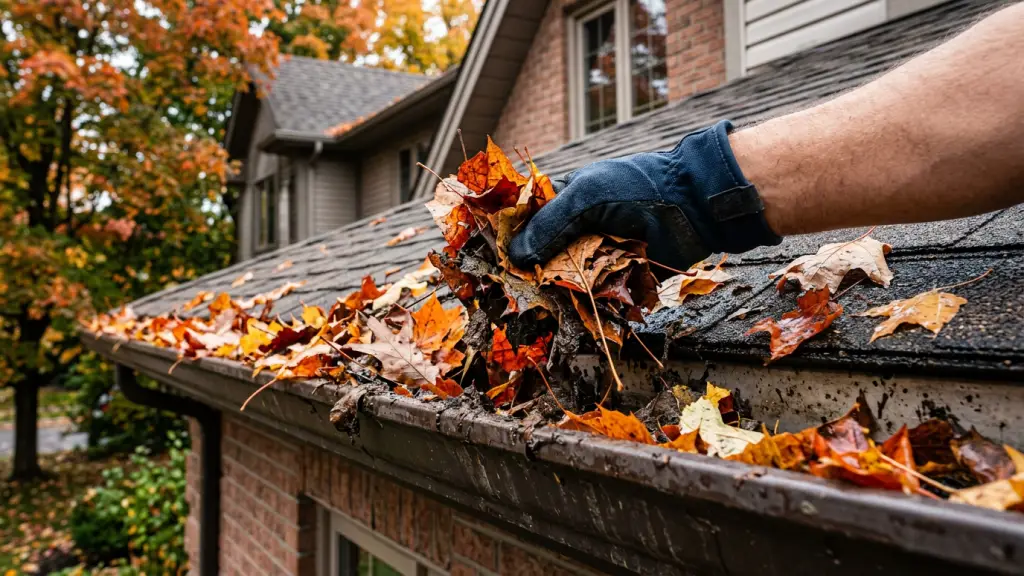
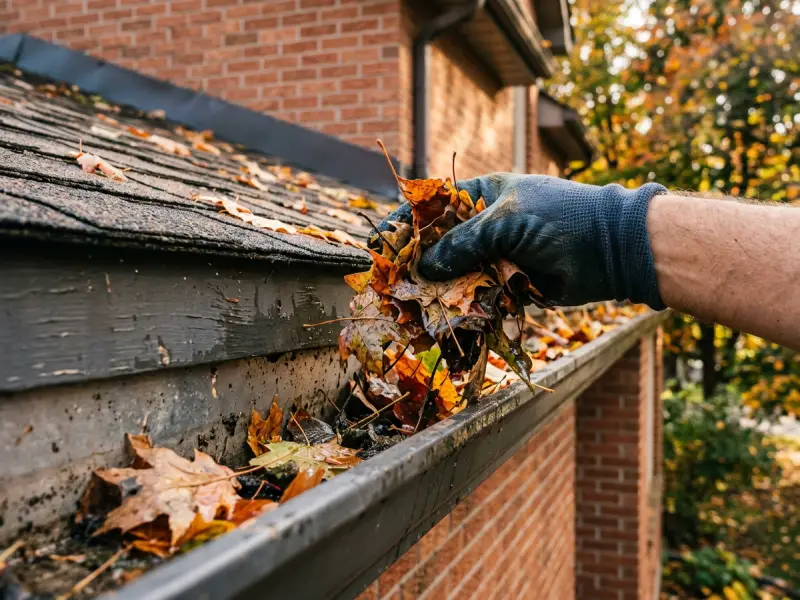
- Clean gutters and downspouts; ensure water diverts away from foundation
- Check foundation for new cracks, water intrusion, and efflorescence
- Test and service HVAC air conditioning system before summer heat
- Inspect exterior for paint damage, wood rot, and loose caulking
- Pressure wash deck, patio, and siding (if needed)
- Check all exterior doors and windows for air leaks and damage
- Inspect landscaping; trim branches away from roof and siding
- Test sump pump and ensure basement drainage is working
- Check for mold or moisture issues in basement and crawlspace
- Inspect plumbing for winter freeze damage and leaks
- Test carbon monoxide and smoke detectors; replace batteries
- Inspect exterior lighting and pathways for safety
- Schedule professional HVAC inspection if not done in fall
Summer Tasks: June–August
- Monitor HVAC system performance; clean or replace air filters monthly
- Check air conditioning operation and refrigerant levels
- Inspect exterior wood for rot, especially around doors and windows
- Monitor basement for moisture and humidity (watch for mold)
- Check driveway and walkway for cracks, potholes, and settling
- Inspect exterior grading; water should slope away from foundation
- Test and maintain landscaping irrigation systems
- Power wash deck/patio if weather permits; inspect for damage
- Check attic ventilation and insulation; ensure adequate airflow
- Inspect electrical system for overloaded circuits or hazards
- Test all plumbing fixtures for leaks and water pressure issues
- Trim trees and bushes away from building to prevent pest entry
- Inspect windows and doors for seal failure
- Check exterior caulking and sealants for gaps or deterioration
Fall Tasks: September–October
- Schedule annual HVAC inspection and cleaning before heating season
- Have heating system serviced (oil or gas); test operation
- Inspect chimney and have it professionally cleaned if applicable
- Clean gutters and downspouts; remove leaves and debris
- Inspect roof for damage and damage-prone areas before winter storms
- Caulk gaps and seal cracks in exterior walls and foundation
- Weatherstrip doors and windows to prevent drafts
- Shut off exterior water; drain and blow out irrigation lines
- Drain and store garden hoses
- Check basement window wells; install covers if needed
- Inspect basement and crawlspace for moisture and pest entry points
- Test all exterior lighting; replace bulbs as needed
- Trim trees; remove dead branches that could fall in ice storms
- Have attic insulation evaluated; add if inadequate
- Schedule chimney/furnace inspections early to avoid delays
Winter Tasks: November–March
- Maintain heating system at proper temperature (usually 66-68°F minimum)
- Keep snow and ice cleared from roof (use qualified professionals)
- Monitor for ice dams; ensure gutters drain properly
- Clear gutters and downspouts of ice buildup
- Remove snow from walkways, steps, and driveways within 24 hours of accumulation
- Inspect basement daily during deep freeze for pipe freeze risks
- Keep basement temperature above 55°F to prevent frozen pipes
- Monitor sump pump operation; test monthly
- Keep foundation perimeter clear of snow drifts
- Check weather stripping and caulking; seal any new cracks
- Monitor attic for leaks during freeze-thaw cycles
- Inspect interior for signs of drafts or temperature extremes
- Test heating system weekly for adequate output
- Keep emergency contact list accessible for urgent repairs
- Document all maintenance performed for liability protection
Common Building Systems: Replacement Timelines & Costs
Plan major capital expenditures by understanding the typical lifespan and costs of your property's key systems. These timelines are estimates for Ottawa properties with normal maintenance.
| Building System | Typical Lifespan | Estimated Replacement Cost | Maintenance Notes |
|---|---|---|---|
| Asphalt Shingle Roof | 20–25 years | $15,000–$35,000 | Inspect annually; address missing shingles immediately |
| Metal/Rubber Roof | 40–50 years | $20,000–$45,000 | Longer lifespan; higher upfront cost; minimal maintenance |
| Furnace/Boiler (Gas) | 15–20 years | $5,000–$10,000 | Service annually; replace before failure to avoid emergency costs |
| Air Conditioning Unit | 12–15 years | $4,000–$8,000 | Keep condenser clean; service every 1–2 years |
| Water Heater (Electric) | 10–12 years | $1,200–$2,500 | Flush annually; monitor for leaks and rust |
| Water Heater (Gas) | 8–10 years | $1,500–$3,000 | Shorter lifespan; service annually |
| Kitchen Appliances | 10–15 years | $2,000–$5,000 (per unit) | Varies by quality; refrigerators often last longest |
| Sump Pump | 8–10 years | $800–$2,000 (installation) | Test monthly; replace proactively before failure |
| Exterior Paint | 5–10 years | $3,000–$8,000 | Pressure wash yearly; touch up as needed to prevent rot |
| Deck (Wood) | 15–20 years | $8,000–$20,000 | Stain/seal every 2–3 years; repair boards as needed |
| Concrete Foundation | 50+ years | $20,000–$100,000+ (major repair) | Monitor for cracks; seal foundation cracks early |
| Septic System (if applicable) | 20–30 years | $8,000–$15,000 | Pump every 3–5 years; avoid heavy usage |
Maintenance Budgeting: 4 Critical Strategies
Ottawa landlords must budget strategically for both routine maintenance and major capital repairs. Use these proven approaches to avoid being caught unprepared when expensive systems fail.
The 1% Rule
Budget 1% of your property's value annually for maintenance. For a $500,000 property, that's $5,000/year. This covers routine repairs but may need supplementing for major work.
Capital Reserve Fund
Set aside $200–$400 monthly (depending on property age/condition) into a dedicated reserve for major system replacement. This prevents financial shock when roof or HVAC fails.
Emergency Fund
Maintain 3–6 months of property costs (mortgage, taxes, insurance, utilities, management) in liquid savings for unexpected events like pipe bursts, electrical fires, or tenant loss.
Track Every Expense
Record all maintenance, repairs, and improvements in a spreadsheet. This reveals spending patterns, identifies recurring issues, and supports tax deductions and insurance claims.
"Property owners have a legal duty to maintain rental properties in safe, sanitary, and habitable condition. Failure to perform maintenance can result in fines, tenant-initiated repairs at your expense, and liability for injuries caused by negligence."
Handling Emergency Repairs: Step-by-Step Process
Assess Immediate Safety
If there's danger (gas smell, electrical hazard, structural damage), advise tenants to evacuate and call emergency services (911). Your liability for injuries is severe if tenants are harmed.
Document the Problem
Take photos/video of damage. Write down the date, time, tenant description, and scope of damage. This protects you legally and supports insurance claims.
Contact Your Maintenance Contractor
Call your emergency repair service immediately. Have contractor details pre-arranged. Most emergencies (frozen pipes, furnace failure, roof leaks) require same-day response to prevent escalation.
Authorize Repairs
Discuss scope and estimated cost with the contractor before work begins (unless immediate action is critical for safety). Set cost limits to avoid surprise bills.
Oversee the Work
Or have your property manager present. Ensure work is completed properly. Verify contractor's insurance and licensing if new vendor. Request a written invoice and detailed work description.
Verify Completion
Test systems after repair (heat, water, utilities). Confirm tenants are safe and can live in the property. Request warranty information from contractor.
Follow Up & Prevention
Within 48 hours, send written confirmation to tenants. Review what caused the emergency—was it preventable? Add that item to your seasonal maintenance plan.
Seasonal Maintenance FAQ for Ottawa Landlords
Real Experiences with Seasonal Maintenance
"I ignored roof maintenance for three years. A winter freeze-thaw cycle caused a leak that ruined drywall and flooring. The emergency repair cost $8,000, plus tenant downtime. Now I do spring and fall inspections religiously. It would have cost $500 to catch this early."
"Setting up a capital reserve fund changed everything. Instead of panicking when my furnace failed in January, I already had money set aside. The $6,000 repair didn't stress me out because I'd budgeted for it. My tenants barely noticed the disruption."
"After my first winter, I had burst pipes from an unheated vacancy. The repair cost $4,000 and I lost the tenant. Now I maintain minimum heat year-round and document it. Winter emergencies cut my stress in half."
"Hiring a property manager for seasonal maintenance coordination was the best decision. They handle HVAC service, gutter cleaning, and contractor scheduling. I spend one hour per month reviewing their reports instead of managing everything myself."
Maintenance & Inspection Services
Don't manage seasonal maintenance alone. Our team coordinates inspections, contractors, and repairs so your property stays protected year-round.
24/7 Emergency Maintenance
Frozen pipes, heating failure, roof leaks, electrical hazards—we respond immediately. Our network of vetted contractors ensures fast, reliable service at fair prices. No emergency is too urgent.
Get Emergency ServiceSeasonal Inspections
We conduct detailed spring, summer, fall, and winter inspections to catch problems before they become emergencies. Comprehensive reports identify maintenance needs and help you budget capital repairs.
Schedule InspectionMaintenance Coordination
We schedule and oversee all seasonal maintenance—HVAC service, gutter cleaning, roof inspection, winterization. You approve costs upfront; we handle contractor management and quality control.
Learn About Full Management