
Property Care

Property Maintenance Tips for Ottawa Landlords: Protecting Your Investment

Ottawa's climate is tough on buildings. Extreme winters, humid summers, and dramatic temperature swings test every property. Smart maintenance protects your investment, keeps tenants happy, and prevents costly emergency repairs.

Smart Property Management

Why Preventive Maintenance Matters

Reactive maintenance (waiting until things break) leads to emergency service premiums, larger repairs, tenant inconvenience, and potential legal liability. Preventive maintenance keeps costs scheduled and predictable while extending equipment life and maintaining property value.

Under Ontario law, landlords must maintain rental units in good repair and fit for habitation. Failing to maintain can result in work orders, rent reductions, and tenant turnover.

The difference? A $50 annual furnace inspection versus a $3,000 emergency replacement in January.

Why Preventive Maintenance Matters
Ottawa's Four Seasons

Seasonal Maintenance Challenges

Each season brings unique demands on Ottawa properties. Strategic planning prevents costly emergency repairs.

snowflake

Winter

Ice dams, frozen pipes, heating failures, roof snow load stress, and weather stripping gaps. Heating system emergencies can't wait—keep contractor contacts ready.

sprout

Spring

Basement flooding, foundation leaks, roof damage revealed by snow melt, sump pump stress, and HVAC system transitions. This is your inspection window.

sun

Summer

Air conditioning demands, humidity control, increased pest activity, lawn care, and exterior maintenance. Regular filter changes keep systems running efficiently.

leaf

Fall

Winterization prep, gutter cleaning, furnace servicing, weather stripping checks, and last-minute exterior repairs. Get systems ready before cold arrives.

Responsive Operations

Handling Maintenance Requests

Receive & Acknowledge

Tenant reports issue via designated channel. Acknowledge within 24 hours with timeline and expected resolution date.

Assess Severity

Determine if emergency (heating, plumbing, safety) or routine. Emergency issues require same-day response; routine can be scheduled.

Dispatch Contractor

Contact pre-vetted contractor from your network. Confirm credentials, insurance, and availability. Give tenant 24-hour notice for non-emergency access.

Complete & Document

Contractor completes work, provides invoice and warranty. You document work completed, cost, and contractor details in maintenance log.

Follow Up

Confirm tenant satisfaction and issue resolution. Retain documentation for tax records and future reference.

Building Your Network

Essential Contractor Contacts

  • HVAC technician (heating emergencies can't wait—have 24/7 number)
  • Plumber (water damage escalates quickly; need emergency access)
  • Electrician (safety-critical; keep licensed and insured contact)
  • General handyman (minor repairs and quick fixes)
  • Roofer (storm damage, ice dam removal, leak assessment)
  • Snow removal service (if not tenant responsibility)
  • Property inspector (annual/semi-annual walkthroughs)
Capital Planning

System Replacement Lifecycle

Budget for major system replacements using these expected lifespans. Ottawa's extreme temperatures can shorten some cycles.

System Expected Lifespan Signs It Needs Replacement Replacement Cost Range
Roof (asphalt shingles) 20-25 years Missing shingles, granule loss, leaks, sagging $8,000-$15,000
Furnace/Heating 15-20 years Age, uneven heat, increased bills, strange noises $4,000-$8,000
Air Conditioning 12-15 years Reduced cooling, refrigerant leaks, age $3,000-$6,000
Water Heater 10-15 years Rust, leaks, reduced hot water, age $1,200-$3,000
Electrical Panel 40-60 years Frequent breaker trips, warm panel, age $2,000-$5,000
Windows (single-pane) 20-30 years Drafts, condensation, broken seals $300-$600 per window
Making Smart Decisions

When to DIY vs. Call a Professional

Can I change furnace filters myself?
Yes. This is the safest DIY task. Change filters monthly during heavy use (winter). Know your filter size and type. This simple task prevents system strain and improves efficiency.
Should I caulk windows and doors myself?
Yes. Interior caulking (bathrooms, kitchens) is DIY-appropriate if you're careful. Exterior caulking is more involved. Always remove old caulk first and use paintable, silicone-based products for water areas.
Can I clean gutters myself?
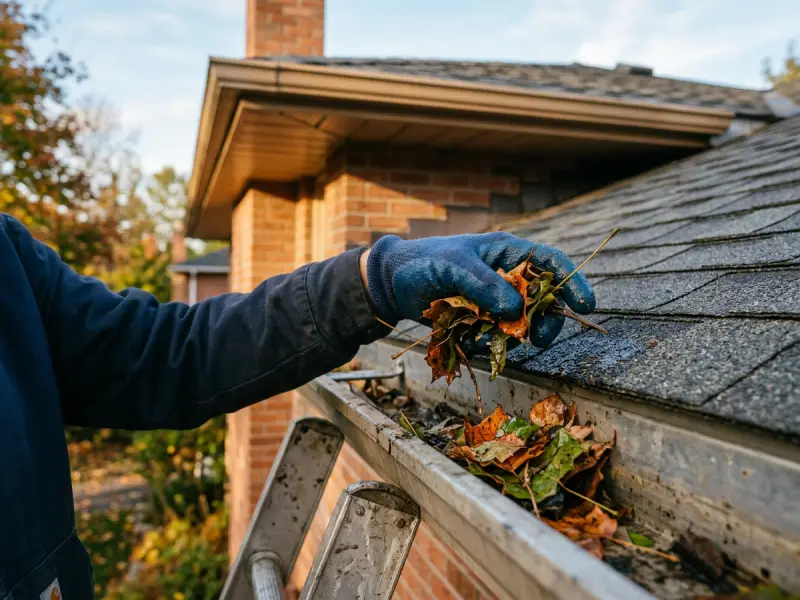
Only if safe. Single-story properties with proper ladder support can be DIY. Multi-story homes are dangerous—hire professionals. Gutters must be completely clear before winter to prevent ice dams.
Should I attempt electrical repairs?
Never. Electrical work requires licensed electricians. Faulty wiring causes fires and injuries. Your liability for DIY electrical work gone wrong far exceeds any cost savings.
Can I repair a leaking pipe myself?
Only temporary fixes. Wrap tape or apply epoxy putty as emergency stopgaps, but call a licensed plumber immediately. Major plumbing requires professional expertise. Water damage escalates fast.
Should I attempt roof repairs after a storm?
No. Roof work is dangerous and requires expertise. Ice dams, shingle damage, and flashing issues need professionals. Let your insurance inspector assess storm damage before repairs.
Can I paint exterior trim myself?
Minor touch-ups are fine. Full exterior painting is time-consuming. Only do it if you're experienced with proper technique, surface prep, and weather conditions. Poor paint jobs lead to premature damage.
What about landscaping and lawn care?
Basic mowing and weeding are fine. Complex work like tree removal, major grading, or drainage installation should be professional. Keep landscaping neat—it affects curb appeal and property value.
"Under Ontario Residential Tenancies Act, landlords have a legal obligation to maintain rental units in a good state of repair, fit for habitation, and complying with health and safety standards. Neglecting maintenance can result in work orders, rent reduction orders from the Landlord and Tenant Board, and tenant departures."
Ontario Residential Tenancies Act
Legal Requirement for Landlords
Expert Support

Maintenance Services & Resources

Get help with property maintenance from planning to execution. Our team connects you with vetted contractors and ensures systems stay in top condition.

24/7 Maintenance Coordination

Emergency repairs don't wait. We dispatch pre-vetted contractors immediately and handle all communication, documentation, and follow-up.

Same-day emergency response Contractor vetting and insurance verification Detailed maintenance documentation
Learn More

Property Inspections

Regular professional inspections catch issues before they become emergencies. We conduct annual or semi-annual walkthroughs with detailed reporting.

Scheduled or seasonal inspections Comprehensive defect documentation Maintenance planning reports
Learn More

Seasonal Maintenance Checklists

Stay ahead of Ottawa's four seasons with our seasonal planning guides. Know exactly what to inspect and maintain each quarter.

Quarterly task checklists Seasonal risk assessments Winter emergency prep
Learn More
Landlords Trust Us

Real Results from Ottawa Landlords

★★★★★
"We were managing maintenance reactively until we switched to preventive scheduling. Maintenance costs actually went down, and tenants are much happier with faster response times."
David M.
Ottawa Multi-Unit Landlord
★★★★★
"Having vetted contractors on speed dial made all the difference. When our furnace went out in January, they had someone at the property in 2 hours. That responsiveness kept our tenant happy and protected the property."
Sarah T.
Single-Property Landlord, Nepean
★★★★★
"The seasonal checklists saved us from a major problem. We caught roof damage in spring that could have led to water damage by summer. Early intervention was way cheaper than dealing with it later."
James K.
Property Investor, Ottawa

Budgeting for Maintenance & Long-Term Planning

The 1% Rule

A common guideline: budget 1% of property value annually for maintenance. For a $500,000 property, that's $5,000/year. This covers routine maintenance, minor repairs, and expected replacements.

Build a Capital Reserve

Beyond annual maintenance, establish a reserve fund for major replacements using the lifespan table above. A roof at 20+ years or a furnace at 15+ years will fail—and winter heating failures require emergency rates. Saving $200-400/month in a dedicated account prevents financial stress when major systems need replacement.

Tracking Expenses

Keep detailed records of all maintenance and repairs:

  • Contractor invoices and warranties
  • Inspection reports
  • Service dates and costs
  • Parts replaced or serviced

Good records help with tax deductions, insurance claims, and demonstrating property maintenance to potential buyers. Digital photos of major work also protect you in disputes.

Start with preventive maintenance and budget planning. Learn more about maximizing your property investment in our guide to property management ROI.

Done with Maintenance Headaches?

Our property management service handles it all—24/7 emergency coordination, contractor networks, seasonal inspections, and compliance management. Focus on your business while we protect your investment.